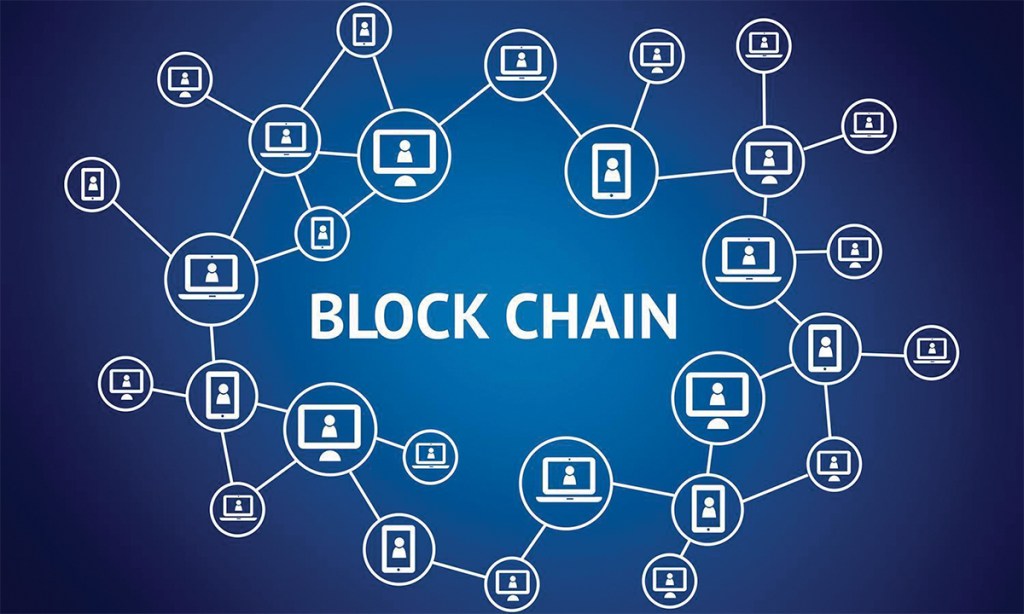
Blockchain is a decentralized and distributed digital ledger that records transactions securely across a network of computers. Unlike traditional ledgers or databases, which are often maintained by a single central authority, blockchain operates as a consensus across all participants, ensuring that each transaction is verified and recorded across multiple nodes. This decentralized nature is what makes it resistant to tampering or fraud, as altering any single block would require changes to all subsequent blocks in the chain.
Each record, or “block,” is linked to the previous one, creating a chain that is immutably secure. Once a block is added, it becomes a permanent part of the blockchain, making the historical record transparent and easily auditable. This feature is crucial for various applications, allowing users and organizations to trace and verify transactions without needing to trust a central institution.
While blockchain is most commonly associated with cryptocurrencies like Bitcoin and Ethereum, its applications extend far beyond digital money. It is being leveraged in numerous fields, revolutionizing various industries. For example, in supply chain management, blockchain can track goods from the manufacturer to the end consumer, providing real-time insights and increasing accountability. This transparency helps to minimize fraud and errors, ultimately leading to greater efficiency in logistics.
In the healthcare sector, blockchain technology is being used to ensure secure patient records. By storing patient data on a blockchain, healthcare providers can verify information and grant access only to authorized parties, thereby enhancing patient privacy and care coordination. This method protects sensitive health information from unauthorized access while allowing for a more comprehensive view of patient history.
Moreover, blockchain’s potential in the realm of democracy is becoming increasingly recognized. In elections, it can create tamper-proof voting systems that ensure the integrity of the electoral process. By utilizing blockchain, votes can be securely recorded and traced, minimizing the risk of election fraud and boosting voter confidence.
The key advantages of blockchain include transparency, security, and the elimination of intermediaries. This technology fosters trust and collaboration among participants, enabling them to engage in transactions without needing a trusted third party. As blockchain continues to evolve, it is likely to unlock new opportunities and drive innovation across various sectors, ultimately reshaping how we conduct business and interact in the digital age.


 FutureTech
Leave a comment