
Edge computing moves data processing from centralized cloud servers to local devices or “edge” locations. This paradigm shift is pivotal as it reduces latency, increases efficiency, and enables faster responses, all of which are essential in today’s fast-paced digital environment.
It’s widely utilized in various applications, particularly in the Internet of Things (IoT), autonomous vehicles, and smart cities, where instant data processing is crucial. For instance, in IoT, devices can analyze data in real-time, allowing for immediate action without the delays associated with sending data to a distant server. Similarly, in autonomous vehicles, edge computing facilitates quick decision-making based on sensor data, enhancing safety and performance. In smart cities, processing data at the edge supports real-time traffic management, energy distribution, and public safety initiatives, contributing to more efficient urban living.
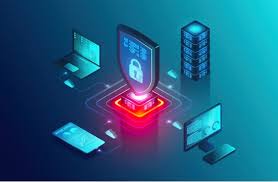
By keeping data closer to its source, edge computing not only enhances overall performance but also bolsters privacy. Sensitive information can be processed locally, reducing the risks associated with data transmission over vast networks. This localized approach ensures that personal data remains within a controlled environment, leading to increased user trust and compliance with data protection regulations. As technology continues to advance, edge computing is set to play an even more critical role in shaping sectors that rely heavily on real-time data analytics and responsiveness, positioning it as a cornerstone of the digital landscape.

 FutureTech
Leave a comment