
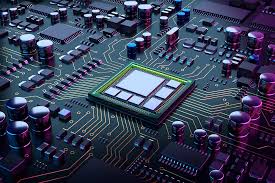
Hardware includes all the tangible components of a computer or device—like the CPU, monitor, keyboard, and motherboard. It serves as the physical foundation upon which software operates, enabling users to perform various tasks and functions seamlessly. Each component plays a crucial role in the overall performance and capability of the system.
The CPU, often referred to as the brain of the computer, processes instructions and executes calculations at high speed. The monitor displays visual output, allowing users to interact with the system effectively, while the keyboard serves as the primary input device for data entry and command execution. The motherboard acts as the central hub, connecting all components and facilitating communication among them.
Without hardware, software couldn’t function. It’s the backbone of all electronic systems, constantly evolving to support faster and more efficient computing. New advancements in hardware technology, such as Solid State Drives (SSDs) and multi-core processors, have drastically improved the performance and speed of computing devices, resulting in enhanced user experiences. Additionally, the integration of hardware and software is becoming increasingly seamless, with new interfaces and components designed to work harmoniously to optimize functionality and efficiency.
As the demand for more complex applications and higher performance continues to grow, hardware will adapt to meet these challenges, leading to innovations that redefine user interaction and expand the possibilities of what can be achieved with computing technology. The interplay between hardware and software remains a pivotal aspect of the ever-evolving landscape of technology, paving the way for future advancements that will shape our digital world.

 FutureTech
Leave a comment