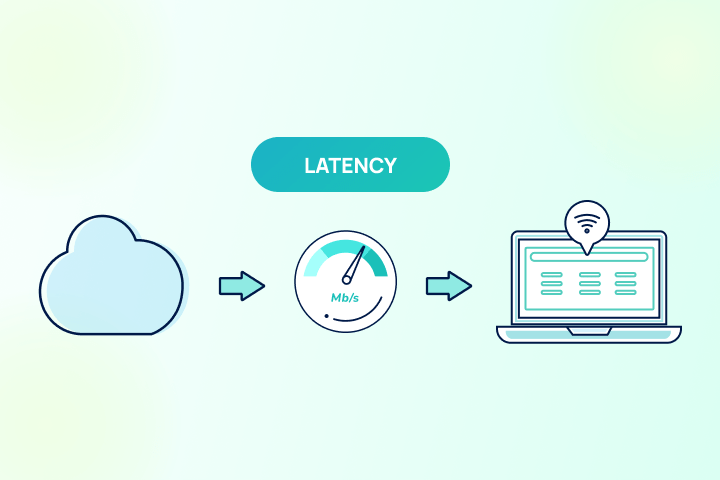
Latency measures how long it takes for data to travel from one point to another. It is often expressed in milliseconds (ms) and can vary widely depending on various factors, including distance, network traffic, and the technology used for transmission.
In online gaming, streaming, or video calls, low latency is key to smooth, real-time experiences. For gamers, low latency ensures that their actions are reflected in the game without noticeable delays, allowing for more dynamic and responsive gameplay. High latency can lead to frustrating lag spikes, where there’s a significant delay between a player’s action and the game’s response. This can impact competitive play and immersion in gaming worlds.
Similarly, in video streaming and calls, low latency enhances the quality of communication and reduces interruptions. When latency is kept to a minimum, conversations flow naturally, and video quality remains steady, making interactions more engaging. High latency during a video call can cause awkward pauses and overlaps in conversation, disrupting the flow of dialogue.
Overall, maintaining low latency is essential across various digital platforms to deliver a high-quality user experience. Advances in networking technologies and infrastructure are constantly being pursued to ensure that latency is minimized, allowing for seamless interactions in our increasingly connected world.




 FutureTech
Leave a comment