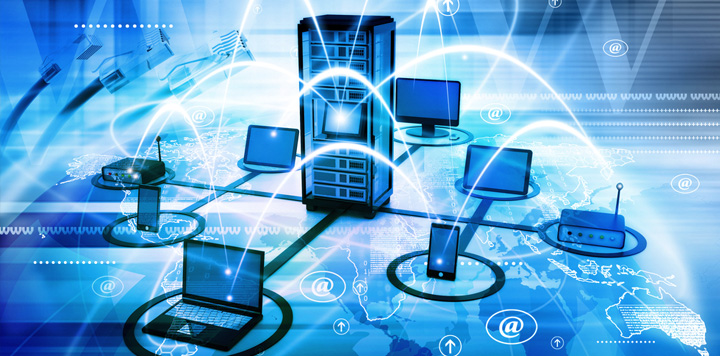
A network is a group of 2 or more interconnected devices that can communicate and share resources such as data, files, and printers. These devices can include computers, smartphones, servers, and various other gadgets that are capable of sending and receiving information.
From small home networks, which may consist of a few devices linked via Wi-Fi or Ethernet, to the vast global internet, networking serves as the foundation of communication in the digital age. In a home network, users can effortlessly share files, stream media, and access the internet across multiple devices simultaneously. This local interconnectivity provides convenience and efficiency, allowing family members or roommates to collaborate and access shared resources without the hassle of transferring data through physical means.
On a larger scale, the global internet connects millions of networks worldwide, enabling communication and information exchange on an unprecedented scale. The infrastructure supporting the internet consists of various hardware components, such as routers, switches, and servers, which work together to ensure data packets reach their destinations swiftly and reliably. This expansive web of interconnected devices not only allows for individual communication but also supports businesses, educational institutions, and government organizations in their quest to share information and resources seamlessly.
Moreover, advancements in networking technologies, such as cloud computing, have further transformed the way individuals and organizations interact and share data. By leveraging the capabilities of the internet, users can access applications, storage, and services remotely, enhancing flexibility and collaboration. Networking continues to evolve, shaping the future of communication and connectivity in our increasingly digital world.


 FutureTech
Leave a comment