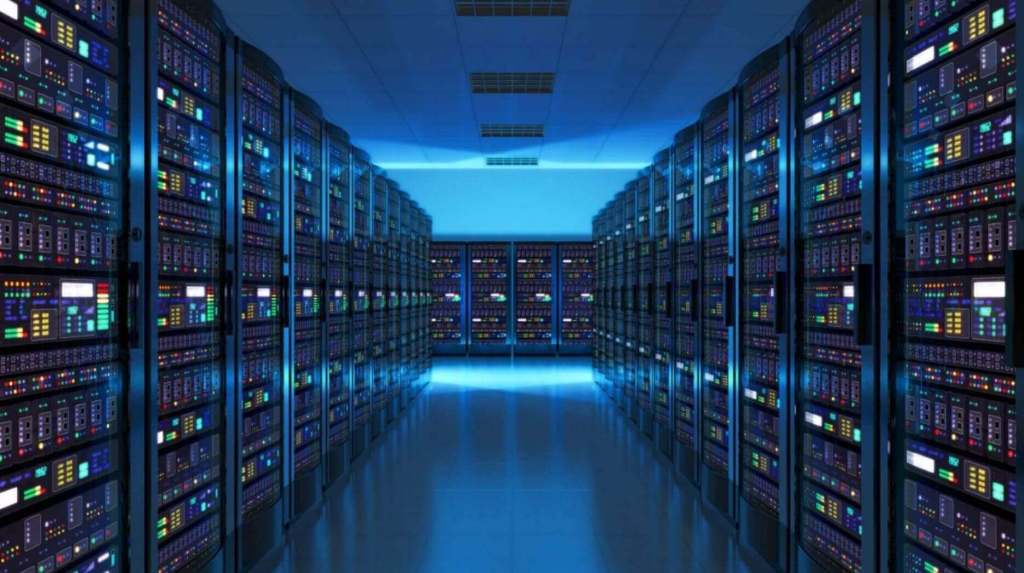
Servers are computers or systems that host websites, store files, and manage requests across networks. They play a crucial role in the digital landscape by providing the infrastructure necessary for the internet to function smoothly.
Acting as intermediaries, servers process requests from users’ devices, delivering the requested data swiftly and efficiently. Whether it’s a simple webpage, a complex application, or a large database, servers ensure that everything operates seamlessly. They store and serve up the content that users expect when they visit a website, whether it’s text, images, videos, or interactive features.
Additionally, servers can be categorized into different types based on their functions. For instance, web servers deliver web pages to users, while database servers manage and provide access to data. File servers offer storage solutions for users to upload and download files. This diversity allows for specialized systems that increase efficiency and performance.
Furthermore, servers are designed to handle multiple requests simultaneously, ensuring that large volumes of users can access services without experiencing delays. This scalability is vital, especially for businesses and organizations that aim to reach a global audience.
In summary, servers are the backbone of the internet, ensuring users can access information anytime, anywhere, while facilitating communication, collaboration, and countless services that form the foundation of our digital lives. Their importance cannot be overstated, as they continuously work behind the scenes to maintain the seamless experience users have come to expect in the connected world.
 FutureTech
Leave a comment