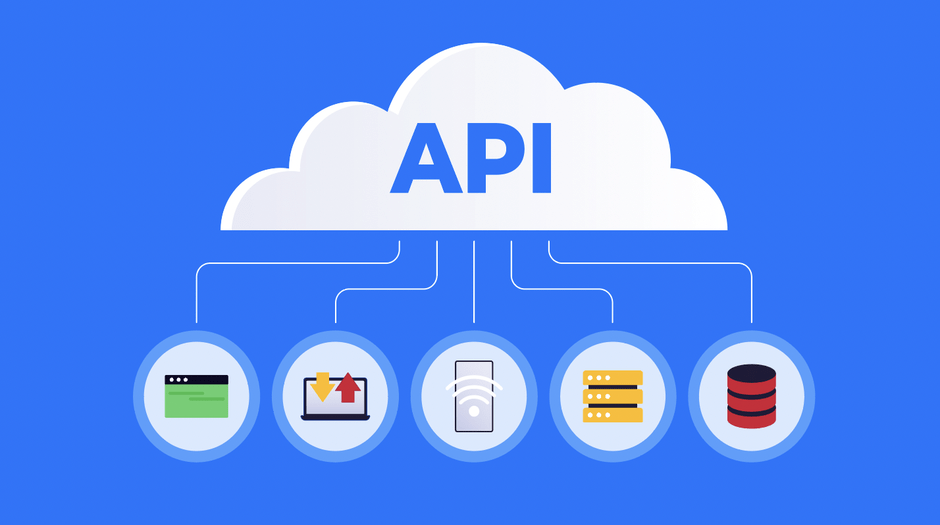
An API defines how software components should interact, enabling programs to share data and functions seamlessly. It acts as an intermediary that allows different systems to communicate with each other effectively without needing to know the details of each other’s implementation.
APIs are used across web services, mobile apps, and operating systems to connect different systems efficiently, thereby fostering a rich ecosystem of applications and services that can work together. This capability is crucial in today’s interconnected digital landscape, where diverse platforms must cooperate for an optimal user experience.
For example, when you log in to a website using Google or Facebook, an API facilitates that connection securely, managing your credentials and ensuring that sensitive information is transmitted safely. This not only improves user experience by eliminating the need for multiple passwords but also streamlines the authentication process across various platforms.
APIs are essential for modern app development, making integration faster and more flexible. They enable developers to leverage existing services and functionalities, rather than building everything from scratch. This allows for quicker innovation and the ability to focus on creating value-added features rather than reinventing the wheel. Furthermore, as the demand for scalable and modular applications increases, the role of APIs becomes even more significant in facilitating seamless integration and enhancing overall functionality.
In summary, APIs serve as a critical foundation for the software development landscape, empowering creators to build interconnected applications that cater to users’ needs and contribute to a more cohesive digital experience. Their importance cannot be overstated, as they drive collaboration and enhance the functionality of diverse software solutions.




 FutureTech
Leave a comment