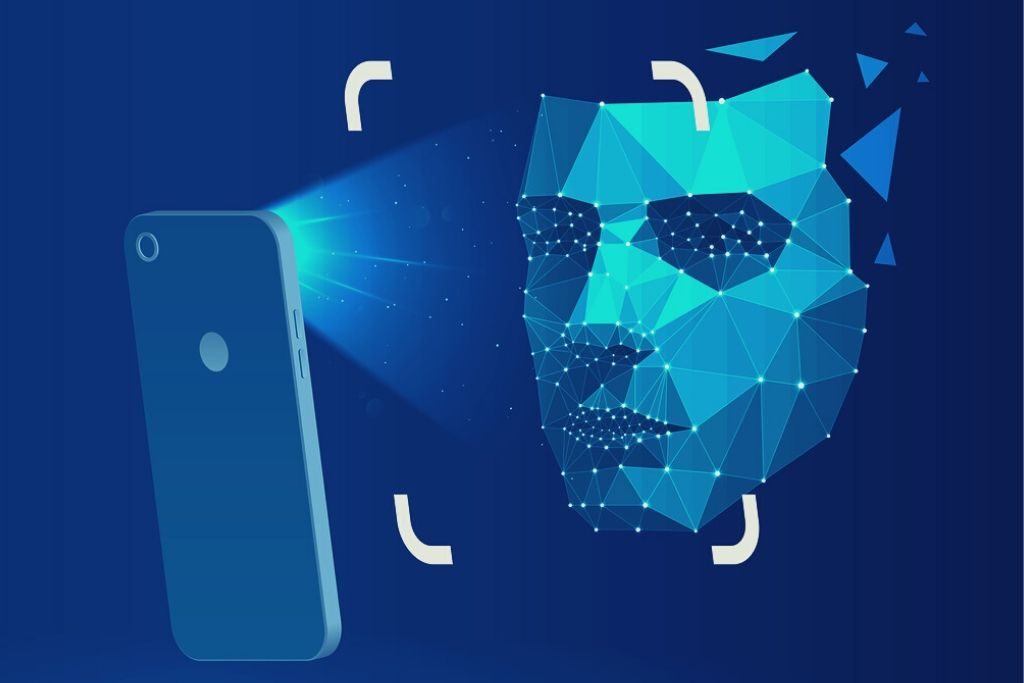
Facial recognition systems utilize advanced artificial intelligence and sophisticated image processing techniques to analyze and compare a person’s facial features against stored data. This technology employs algorithms that can detect the unique characteristics of a face—such as the distance between the eyes, the shape of the jawline, and other distinct features.
These systems have various applications in daily life. One common use is for unlocking devices like smartphones and laptops, where users can seamlessly access their devices with just a glance. Additionally, facial recognition technology plays a crucial role in security monitoring, helping to identify individuals in real-time in crowded places like airports, stadiums, and public events. It is also employed in verifying identities for various purposes, such as at border control, in banking services, and for controlled access to buildings or secure areas.
Despite the convenience and efficiency that facial recognition offers, it raises serious privacy and ethical concerns. Questions arise regarding how data is collected, stored, and potentially misused. The potential for surveillance can lead to invasive monitoring and profiling of individuals without their consent, creating an atmosphere of distrust. Furthermore, issues related to accuracy and bias in facial recognition algorithms can disproportionately affect certain demographic groups, raising alarms about fairness and equality.
Recent advances in AI have made facial recognition technology more accurate and effective, leading to its widespread adoption across different industries and regions worldwide. As the technology continues to improve, it is essential to address the ethical concerns and develop robust regulations to ensure responsible use. This balance is crucial for encouraging innovation while protecting individual privacy rights.




 FutureTech
Leave a comment