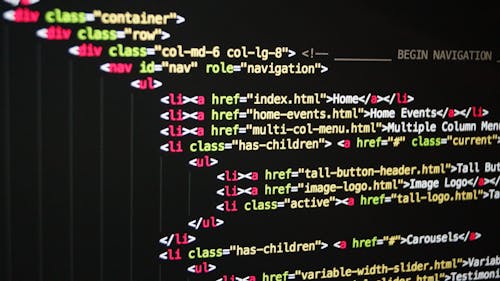
HTML structures the content of websites using elements like headings, paragraphs, links, and images. It is a markup language that provides a framework for organizing text, media, and interactive components in a way that is readable by both humans and machines. Each HTML element plays a vital role in the presentation of content, making it easier for users to navigate and consume information.
The structure of HTML documents is hierarchical, beginning with a <!DOCTYPE html> declaration that specifies the document type and version. This is followed by essential elements like <html>, <head>, and <body>. The <head> section contains meta-information, including the title of the page and links to stylesheets or scripts. The <body> section, on the other hand, houses all the visible content that users interact with, including headings defined by <h1>, <h2>, etc., paragraphs with <p>, and links created with <a> tags.
Moreover, HTML often forms the backbone of every webpage, seamlessly combined with CSS for styling and JavaScript for interactivity. While HTML provides the structure, CSS is responsible for defining how those elements are visually presented on the page, allowing developers to create aesthetically pleasing designs. JavaScript adds functionality and dynamic behavior, such as response to user actions, which enhances the user experience.
Understanding HTML is fundamental for web development, as it allows developers to organize and display digital information on the internet effectively. Mastery of HTML enables developers to build accessible, user-friendly websites that can reach a broader audience. As web standards evolve, keeping up with the latest HTML specifications, such as HTML5, is essential for utilizing new features like multimedia support, local storage, and improved semantics, which further enrich the web experience. By learning HTML, aspiring developers lay the groundwork for their web development journey, paving the way to master CSS, JavaScript, and beyond.




 FutureTech
Leave a comment