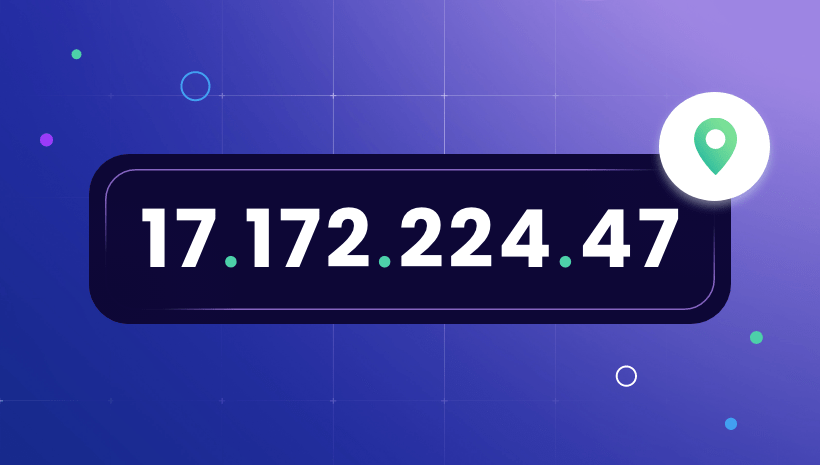
An IP address acts like a digital “home address,” allowing devices to send and receive data over the internet. It plays a crucial role in facilitating communication between devices, users, and servers. Without IP addresses, the internet as we know it would not function effectively, as there would be no reliable way to identify and locate devices in the vast network of connected systems.
IP addresses can be categorized into two main types: static and dynamic. A static IP address remains fixed and does not change over time, making it easier for devices to establish a consistent and reliable connection. This type is often used for hosting websites or services where a steady point of contact is necessary. On the other hand, a dynamic IP address changes periodically, which can be beneficial for residential users who might not require a stable connection. Dynamic addresses are typically assigned by Internet Service Providers (ISPs) through a process known as DHCP (Dynamic Host Configuration Protocol).
Furthermore, the two primary versions of IP addressing are IPv4 and IPv6. IPv4 is the most widely used format, consisting of four sets of numbers separated by periods (e.g., 192.168.1.1). However, the rapid growth of the internet and the increasing number of devices connected to it have led to the exhaustion of available IPv4 addresses. To address this issue, IPv6 was introduced, which uses a longer alphanumeric format, allowing for a substantially larger number of unique addresses to be assigned.The transition to IPv6 is essential to support the ongoing expansion of the internet and the Internet of Things (IoT), where numerous devices interact and communicate seamlessly.
In summary, IP addresses are essential for communication between servers, websites, and users worldwide. They ensure that data reaches its intended destination and that devices can effectively communicate with one another across the complex and interconnected landscape of the internet.

 FutureTech
Leave a comment