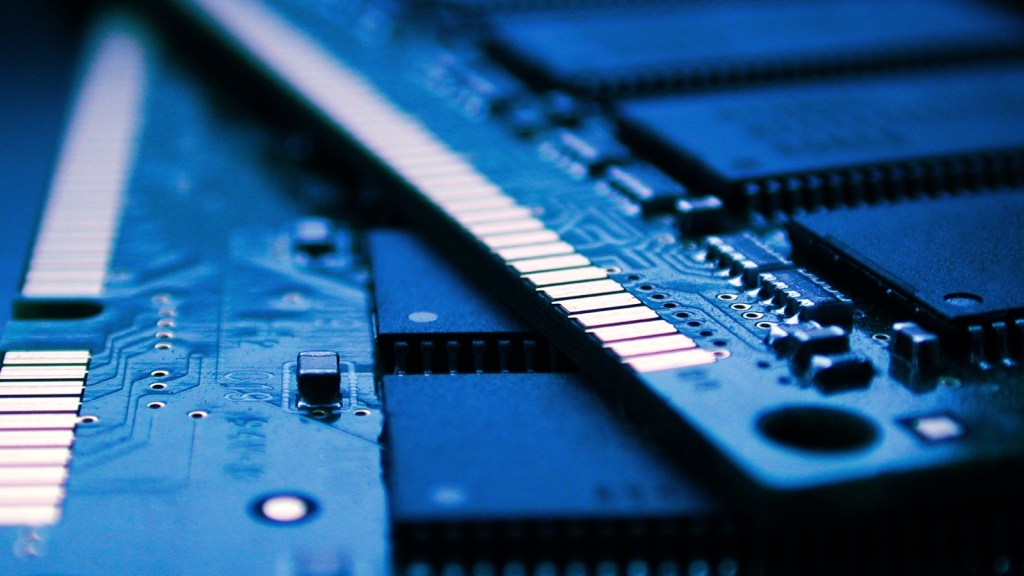
RAM, or Random Access Memory, plays a vital role in modern computing by allowing computers to access information quickly, which in turn supports active applications and essential system processes. It acts as a temporary storage area that provides fast read and write access, enabling the operating system and applications to run smoothly and efficiently.
More RAM can significantly improve overall performance; it allows users to multitask more effectively without experiencing slowdowns. Programs load faster and can run simultaneously without causing the system to lag or freeze. This is particularly valuable in environments where users perform multiple tasks at once, such as gaming, graphic design, or data analysis, where seamless transitions between applications are critical.
However, it’s important to note that RAM is classified as volatile memory, which means that all data stored in it is lost once the power is turned off. This characteristic distinguishes RAM from non-volatile storage options like hard drives or SSDs, which retain information even when the device is powered down.
RAM is crucial for both desktop and mobile devices, impacting their ability to handle complex tasks and applications. As technology continues to advance, the demand for larger capacities of RAM increases, driving improvements in how devices manage and utilize memory resources. Upgrading RAM can be a cost-effective way to breathe new life into an aging computer or enhance the performance of a new device, ensuring a smooth user experience across various applications and multitasking scenarios.



 FutureTech
Leave a comment