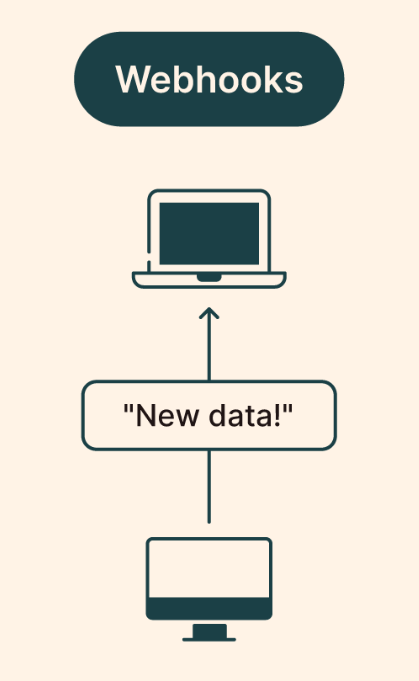
Webhooks trigger actions instantly when events occur, such as sending notifications or updating databases. They serve as an essential tool in modern software development, allowing different applications to communicate effectively without the need for constant polling from the client side.
This instant reaction to events is crucial for time-sensitive operations, enabling actions like alerting team members about new messages, syncing data in real-time, or pushing updates to users. For instance, when a user submits a form on a website, a webhook can immediately notify another service to process that information, enhancing user experience by reducing delays.
Moreover, webhooks enable seamless automation between apps and are widely used in software integration. They allow developers to create workflows that automatically adjust based on user interactions, system changes, or external triggers. This capability not only improves operational efficiency but also minimizes human error by relying on predefined rules and events.
As cloud computing and microservices architecture continue to rise in popularity, the use of webhooks has become even more prevalent. Developers can leverage webhooks to link various services, facilitating a flow of data that is both rapid and reliable. Thus, the impact of webhooks on software systems cannot be overstated, as they are pivotal in creating responsive, interconnected applications that cater to user needs in real-time.




 FutureTech
Leave a comment