
X-rays are a highly valuable tool utilized across various fields, including medicine, security, and material inspection. In the medical realm, X-ray imaging plays a crucial role in diagnosing and treating conditions by allowing healthcare professionals to visualize the internal structures of the body, such as bones and organs. They are particularly effective in detecting fractures, identifying hidden objects like splinters, and assessing internal damage that may not be apparent through physical examinations. This noninvasive approach significantly improves patient care, as it minimizes the need for surgical interventions and offers rapid diagnostic capabilities.
In the domain of security, X-rays are indispensable for scanning luggage and cargo at airports and border crossings. Security personnel utilize X-ray technology to detect concealed weapons, explosives, or illegal items, enhancing safety and security measures. The ability to inspect contents without opening bags or packages preserves efficiency and accelerates the screening process.
Furthermore, in the field of materials inspection, X-ray analysis is employed to examine the integrity of various materials and structures. This technique allows engineers and inspectors to identify potential flaws or defects in components, ensuring safety and reliability, particularly in critical applications such as aerospace and construction.
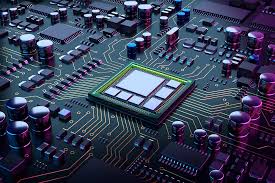
In technology, X-ray analysis is invaluable for examining electronic circuits and components safely. It enables technicians to inspect and analyze the internal layers of circuit boards without causing any damage. This capability is essential in quality control, as it helps in identifying manufacturing defects and ensuring the proper functioning of electronic devices.
Overall, the versatility and noninvasive nature of X-rays make them a powerful asset in various industries, enhancing both safety and efficiency in diagnostics, security, and inspections.



 FutureTech
Leave a comment