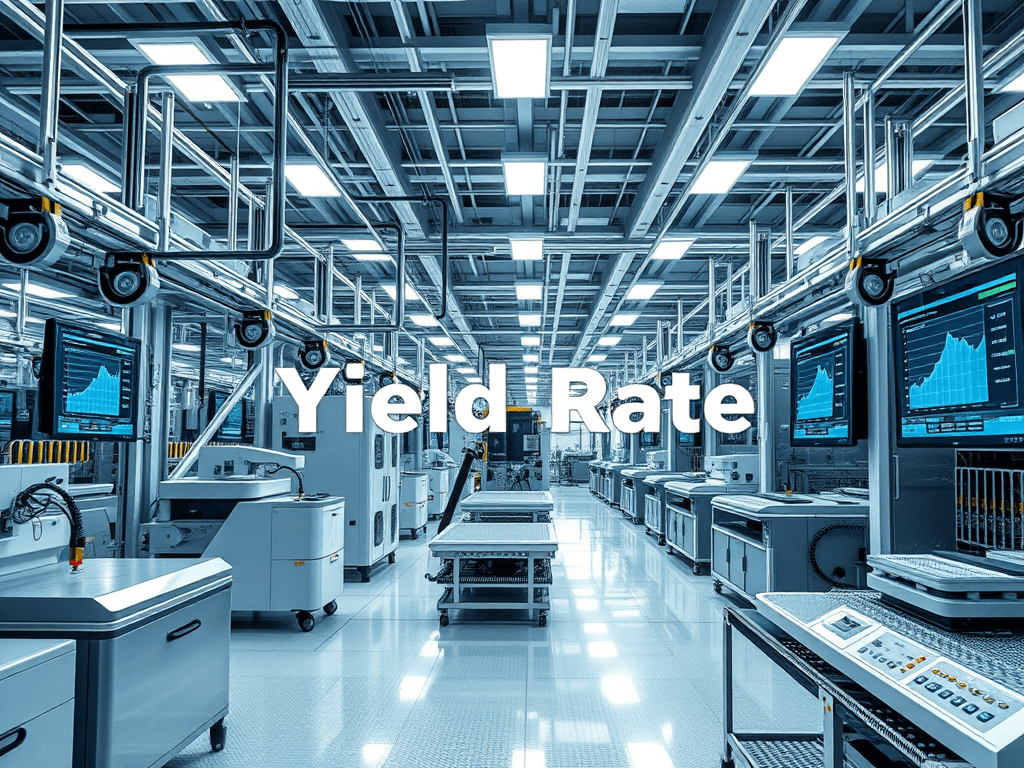
In technology production, a high yield rate means fewer defects and higher efficiency, which directly correlates to the overall success and competitiveness of a business. In the semiconductor and electronics manufacturing sectors, achieving and maintaining a high yield is particularly crucial, as the complexity of these products often results in various challenges related to production.
A high yield rate signifies that a larger proportion of the produced items meet quality standards and specifications. This not only reduces wasted materials and resources but also minimizes the need for rework and repairs. Consequently, companies can enjoy substantial cost savings, allowing them to allocate resources to other vital areas such as research and development or marketing.
Optimizing yield is a continuous process that involves meticulous attention to detail at each stage of production. This might include improving equipment maintenance schedules, refining manufacturing processes, and investing in advanced technologies that enhance quality control. By implementing these optimization strategies, businesses can ensure that they keep pace with industry standards and customer expectations.
Moreover, a high yield rate can significantly enhance customer satisfaction. When companies deliver high-quality, defect-free products consistently, they build trust and loyalty among clients. This is especially important in competitive markets where consumers have many options. In summary, focusing on optimizing yield is integral not only for cost reduction but also for sustaining high-quality production and fostering long-term business relationships.




 FutureTech
Leave a comment