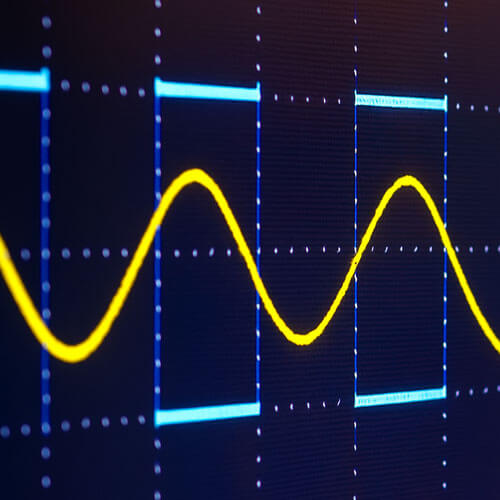
An analog signal is a type of data representation that changes continuously over time, typically expressed through variations in voltage, frequency, or amplitude. This form of signal can be visualized as a smooth wave, where each point on the wave corresponds to a specific value of the variable being measured.
Historically, analog signals were the backbone of communication systems, audio devices, and televisions before the rise of digital technology. In these systems, sound waves and images were translated into analog signals, allowing for the transmission of information in a way that closely mimicked the original waveform. For instance, an audio wave may be transformed into voltage levels that vary according to the amplitude of the sound, thus maintaining a continuous representation of the audio.
One of the significant advantages of analog signals is their ability to capture the nuances of natural sound and video more smoothly than their digital counterparts. The continuous nature of analog signals enables them to represent subtle changes in sounds and colors without the quantization errors that can occur in digital systems. This results in a more lifelike experience when listening to music or watching films.
However, analog signals are also more susceptible to noise and interference. External factors such as electromagnetic interference, physical obstructions, or even environmental conditions can distort the signal, leading to a degradation in quality. This vulnerability is one reason why many industries have shifted towards digital technology, which can offer greater robustness and ease of replication.
Despite the digital advancements that have largely taken over most communication and entertainment sectors, analog systems still play key roles in various applications. For example, radio broadcasting continues to utilize analog signals due to their ability to deliver continuous audio without the need for data conversion. Furthermore, in scientific instrumentation, analog signals are often used for measuring physical phenomena, as many sensors output analog data inherently.
Certain high-quality audio equipment also embraces analog technology, as enthusiasts and professionals often prefer the warmth and depth of sound that analog recordings provide over digital formats. This appreciation for analog sound ensures that vinyl records and tape cassettes remain popular among listeners who value the character and authenticity that these mediums can deliver.
While analog signals may not dominate the technological landscape as they once did, their legacy continues to influence modern technology and culture, reminding us of the foundational role they played in shaping communication and media as we know them today.



 FutureTech
Leave a comment