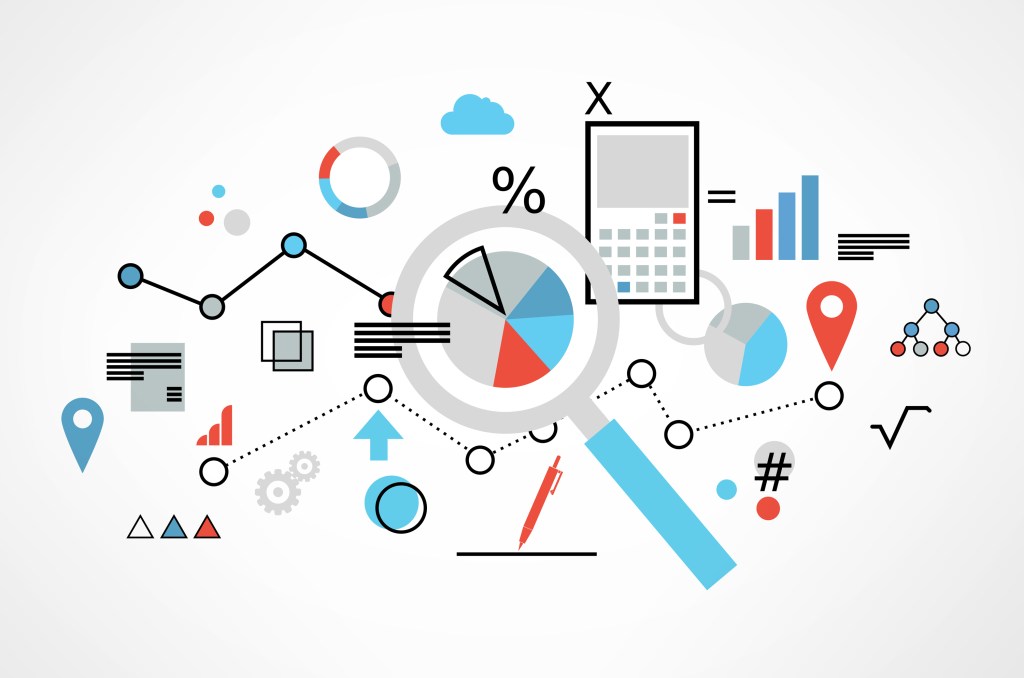
Analytics involves collecting, processing, and interpreting data to support decision-making and improve performance across various sectors. The fundamental goal of analytics is to extract valuable insights from data that can inform strategies and drive positive outcomes.
It is widely used in business to assess market conditions, understand consumer preferences, and measure the effectiveness of marketing campaigns. In technology, analytics is crucial for enhancing software applications, improving user experience, and managing system performance. In marketing, it enables targeted advertising by analyzing customer segments, predict behaviors, and identifying the best times to reach potential customers.
Finance heavily relies on analytics for risk assessment, investment analysis, and compliance monitoring. Machine learning applications use analytics not only to process large volumes of data but also to refine algorithms that power predictive analytics, thereby enhancing their accuracy and efficiency.
Analytical tools are designed to process large datasets, identify trends, measure user behavior, predict outcomes, and optimize processes. Many organizations employ data visualization techniques to present analyzed data in a clear and actionable manner. This can involve dashboards that allow stakeholders to monitor key performance indicators (KPIs) in real-time, making it easier to make informed decisions.
Modern analytics often rely on cloud platforms and AI to handle massive data volumes efficiently. Cloud computing provides the scalability required to store and process large datasets, while AI algorithms can analyze this data at unprecedented speeds. This combination not only enhances the capacity for real-time analytics but also reduces costs and increases accessibility for businesses of all sizes.
As a result, analytics has become a crucial component for companies seeking growth and competitive advantage in today’s data-driven landscape. Organizations that effectively leverage analytics can anticipate market shifts, optimize operational efficiency, and tailor their offerings to meet customer needs more accurately. Ultimately, the ability to harness and interpret data through analytics empowers businesses to innovate and stay ahead in competitive environments.




 FutureTech
Leave a comment