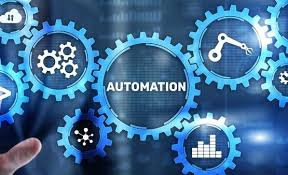
Automation refers to the use of software, machines, or systems to execute repetitive or complex tasks with minimal or no human action. In recent years, the relevance of automation has surged across various industries, largely due to its ability to enhance productivity and streamline operations.
It increases efficiency, reduces errors, and speeds up workflows in fields such as manufacturing, IT operations, customer service, and transportation. For instance, in manufacturing, automation can lead to the creation of highly efficient assembly lines where robots perform tasks that are either hazardous or monotonous for human workers. In IT, automation tools can manage system updates and handle repetitive data entry, allowing IT professionals to focus on more complex problem-solving tasks.
Automation tools include scripts, robotics, bots, and AI-driven platforms capable of learning and adapting to processes. These technologies can analyze vast amounts of data and identify patterns, enabling businesses to make informed decisions swiftly. Additionally, advances in artificial intelligence mean that automation is not just about executing predefined tasks but also about optimizing and improving workflows in real-time.
Companies use automation to optimize productivity and focus human effort on strategic activities. By reallocating resources from tedious tasks to more innovative projects, organizations can foster creativity and improve their overall competitive stance. Furthermore, automation can enhance customer service; chatbots and automated systems can provide immediate responses to customer inquiries, leading to increased satisfaction and engagement.
The growing trend of adopting automation is leading to new business models and reshaping traditional roles, necessitating a cultural shift in how organizations view the workforce and technology. Embracing automation is not merely a tech upgrade; it is a strategic approach to ensuring long-term sustainability and growth in an increasingly competitive market.



 FutureTech
Leave a comment