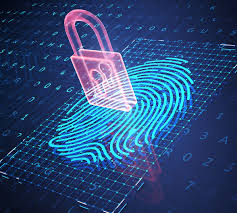
Biometrics involves measuring and analyzing unique biological characteristics such as fingerprints, facial features, iris patterns, and voice recognition. This technology has become increasingly prevalent in recent years, evolving from a concept mainly associated with security agencies to a commonplace feature in everyday devices and applications.
It is used for secure authentication in smartphones, access control systems, and governmental identification. These biometric systems provide a robust alternative to traditional password-based security, which can be easily forgotten, hacked, or stolen. By relying on traits that are deeply personal and unique to each individual, such as the specific patterns found in fingerprints or the distinct contours of a person’s face, biometrics offers a higher level of security.
Moreover, biometric systems enhance user convenience, allowing for quick and seamless access to devices and services without the need to remember complex passwords. Functions like facial recognition enable users to unlock their smartphones with just a glance or authorize transactions with a simple touch of a finger.
However, as with any technology, the rise of biometrics also raises significant concerns regarding privacy and data protection. The collection and storage of biometric data can create vulnerabilities, as sensitive information is often targeted by cyber attackers. Additionally, issues surrounding consent, data ownership, and the potential for misuse of biometric data are critical discussions that need to be addressed.
By implementing stringent security measures and clear regulations, the benefits of biometric systems can be maximized while minimizing the risks associated with privacy violations and unauthorized access to personal information. Balancing security, convenience, and privacy will be essential as biometric authentication continues to evolve and integrate into various sectors of society.



 FutureTech
Leave a comment