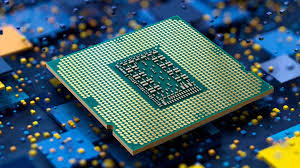
The CPU (Central Processing Unit) is the core component of a computer responsible for carrying out instructions from software and managing overall system performance. Often referred to as the brain of the computer, the CPU interprets and executes commands, making it integral to the functioning of all digital devices.
At its core, the CPU performs arithmetic calculations, such as addition, subtraction, multiplication, and division, alongside logical operations that include comparisons and decision-making tasks. Its architecture allows it to manage input/output processes efficiently, ensuring that data flows seamlessly between the CPU, memory, and peripheral devices.
Modern CPUs are measured by speed, typically represented in gigahertz (GHz), and core count, which refers to the number of independent processing units within the chip. This increased core count enables multitasking capabilities, allowing users to run multiple applications simultaneously without a significant drop in performance. Furthermore, advancements in technology have led to CPUs that can dynamically adjust their power usage and processing speed based on the workload, resulting in improved energy efficiency.
CPUs are essential not only in traditional computers but also in a wide range of devices including smartphones, tablets, gaming consoles, and embedded systems found in appliances and vehicles. This ubiquity makes them a fundamental part of any digital device, driving innovations and improvements across various sectors such as gaming, artificial intelligence, and data processing.
As technology continues to advance, CPUs are evolving to meet the demands of increasingly complex software applications and workloads, including virtual reality and cloud computing, ensuring they remain at the forefront of computing technology. Their development will shape the future of computing, influencing how we interact with technology in our everyday lives.



 FutureTech
Leave a comment