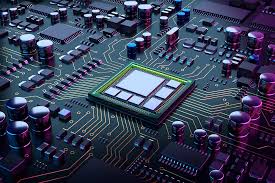
An embedded system is a sophisticated combination of hardware and software meticulously designed to perform a specific set of tasks within larger machines or products. This unique integration allows embedded systems to function seamlessly within complex environments while catering to the unique requirements of each application.
These systems are ubiquitous, found in a wide array of devices including cars, home appliances, medical equipment, industrial machines, and smart devices. Their implementation across various fields highlights their versatility and significance.
For instance, in automobiles, embedded systems manage critical functions such as engine control, safety features, and entertainment systems, ensuring that vehicles operate efficiently and safely.
Embedded systems operate in real time, which means they must process inputs and produce outputs almost instantaneously. This real-time operation is crucial in applications like medical devices, where timely responses can be the difference between life and death.
Additionally, these systems often work with limited resources, including memory and processing power. Hence, it is imperative for them to be both reliable and efficient in their operation.
Moreover, embedded systems enable automation, monitoring, and control in everyday technology, significantly enhancing user experience and interaction. For example, in smart home devices, they facilitate automation tasks like adjusting thermostats or managing security systems, making modern electronics more intelligent, responsive, and connected.
As technology continues to evolve, the role of embedded systems becomes increasingly critical in shaping the future of various industries and the way we interact with technology on a daily basis.



 FutureTech
Leave a comment